

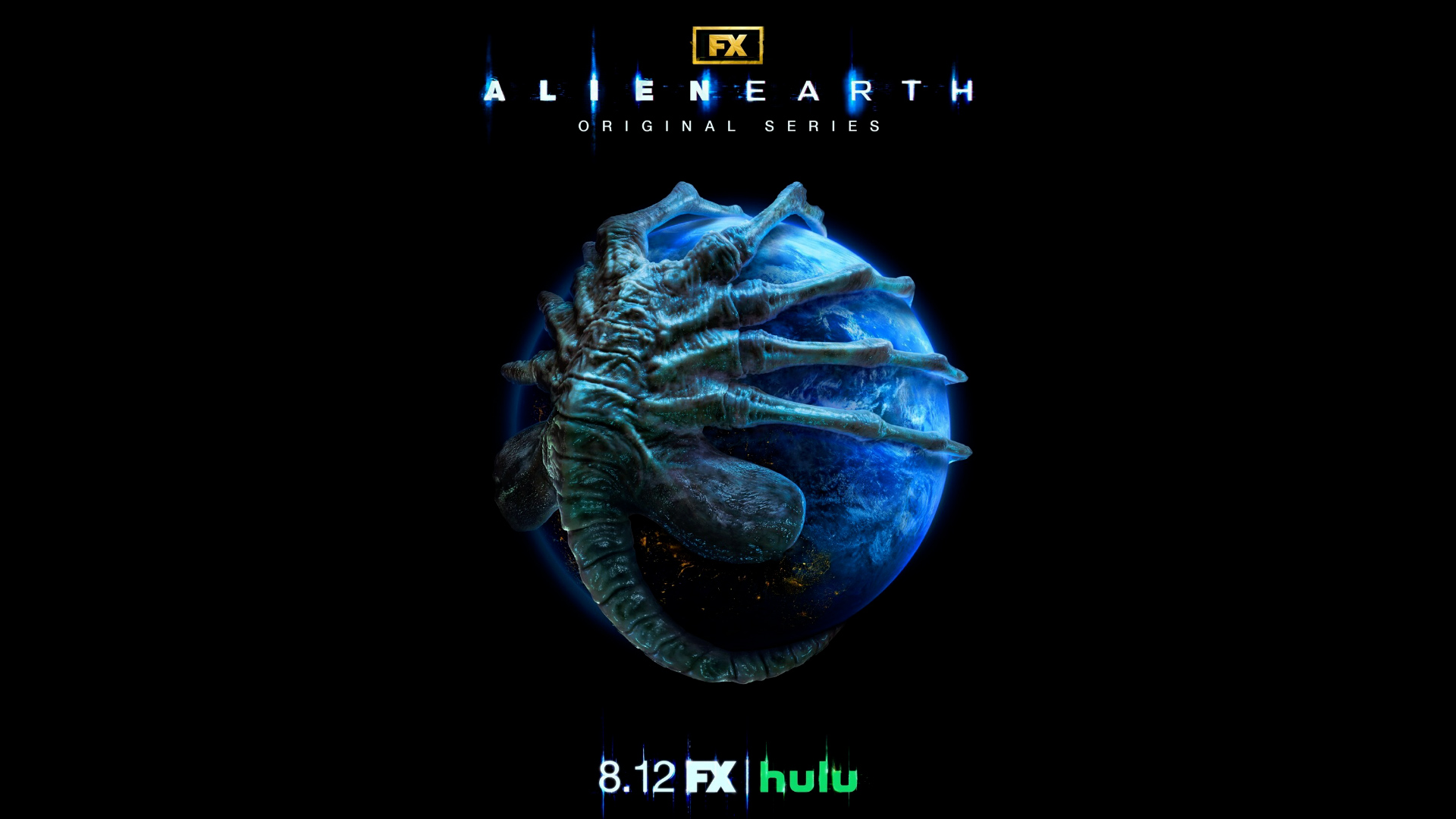
The Alien franchise has always thrived on tension between survival and annihilation, between cold corporate science and humanity. Now that we’ve seen all of Alien: Earth’s first season, we can step back and study this sprawling, uneven addition to the canon. Much like the films themselves, there are highs and lows, but overall I have to admit this series is pretty darn good.
I fully admit to being an Alien fanboy. I love the original, Aliens, and yes, even Alien 3. I had the action figures from the movies when I was a kid in the ’90s. Of those three, Alien 3 is the least popular, but I still think it was good and far better than the films that came later. Alien: Resurrection was terrible, its only saving grace being that it was so bad it became unintentionally funny. I’m not above pouring a cold one and putting it on for the laughs, but honestly, it felt like a throwaway fart joke in what was, for all intents and purposes, a serious horror franchise.
The crossover films, Alien vs. Predator and Aliens vs. Predator: Requiem, did little to dispel the stench. For years, fans were left waiting, crop-dusted by a once-beloved franchise. Still, we had two great movies that hold up and a third quirky noir entry that worked for some of us. It would be 15 years before fans got anything worthwhile. Ridley Scott returned with Prometheus and Alien: Covenant.
These newer films certainly cleared the air, but in doing so rewrote and expanded the lore. My main gripes: they lost the gritty, dark aesthetic; they demystified the alien creature; and they made the characters act stupid. If you want to hear me rant, buy me some scotch at a bar and don’t interrupt. Then came Alien: Romulus in 2024. It took 32 years, but that film finally felt akin to the originals. I loved it. The grit, grime, and gore were back. Was it perfect? I thought so, even if many disagreed. It was a step in the right direction.
A year later, we now have a TV series. Does it walk us forward or knock us flat again? For me, it’s a welcome addition and a damn fine watch. Creator Noah Hawley could have played it safe with the claustrophobic horror of Alien or the relentless action of Aliens, or doubled down on the cerebral prequel path of Prometheus and Covenant. Instead, the show takes bold swings with what we think we know and adds to the lore in fascinating ways.
The series blurs the lines between androids, cyborgs, and synthetics, posing the ultimate question: What is it to be human? What does it mean to transplant a human soul into a machine? What happens when the Xenomorph, the ultimate predator, becomes something that might be communicated with instead of merely feared? These ideas reshape the mythology, nudging the franchise away from pure survival horror and toward philosophical sci-fi in the tradition of Blade Runner or Ex Machina. It doesn’t always land cleanly, but it undeniably pushes the canon forward.
The story opens with a research vessel carrying horrifying cargo that crashes to Earth, juxtaposed against a parallel journey: humans moving beyond the physical limitations of their bodies. That arc echoes Peter Pan’s “Lost Boys,” with Wendy leading the way. She guides children whose consciousnesses have been uploaded into synthetic bodies with staggering abilities. This is Alien with Peter Pan allegories, androids, cyborgs, hybrids, and philosophy. Depending on how allergic you are to sci-fi experimentation, this can be far more intriguing than most fare.
Wendy’s journey ultimately anchors Alien: Earth and elevates the series. Introduced as a dying girl whose consciousness is transferred into a synthetic body, she begins as a figure of tragedy but evolves into the show’s most compelling force. Her growth from vulnerable survivor to someone who can outwit her corporate overseer, seize control, and even forge a strange bond with the Xenomorph is both unsettling and mesmerizing. She embodies the series’ core questions: what does it mean to be human, and what happens when innocence collides with power? Her transformation is the emotional and philosophical spine of the show, making this far more than a monster tale.
The other children-turned-synthetics prove they are not tools but ticking time bombs. At first treated as pawns by adults, they reveal the consequences of classic sci-fi hubris: empowering those you don’t fully understand. The show does stumble under the weight of its ambition. Too many alien variants are introduced without proper payoff, arcs are set up and dropped, and horror clichés intrude. Some characters exist only as cannon fodder. The pacing across the eight episodes is inconsistent. At times, the narrative surges forward with gripping urgency, but the momentum often falters and is bogged down by exposition or meandering side plots. Some episodes feel rushed, others drag.
Yet in the final two episodes, the series’ messy ambition sharpens into something potent. Without spoiling too much, a new connection with the Xenomorph presents a radical departure from franchise tradition. For decades, the alien has embodied pure otherness: hunger, violence, survival stripped of empathy. When filmmakers tried to deviate before, we got bizarre results like Alien: Resurrection’s alien-human hybrid. Here, the twist feels chilling rather than comical. Hawley has hinted it may not be as stable a connection as Wendy believes, leaving fertile ground for season two.
The closing episodes press the question: who are the real monsters? The aliens, who see humans only as prey? The corporations, blinded by greed? The synthetics, whose godlike strength is shackled to childish impulses? Or the enablers, like Dame Sylvia, who refuse accountability as catastrophe unfolds? The refusal to answer outright elevates the show from fan service into true speculative fiction. All in all, Alien: Earth’s pacing is uneven, and not every arc lands cleanly, but it’s daring, thought-provoking, and at times thrilling. It raises questions that linger long after the credits roll and earns its place in the franchise’s legacy. Season one: a solid 8/10.